

A while back, some friends of mine and I wandered out in hopes of finding wild horses in Placitas, New Mexico. They are said to roam free everywhere up in the Placitas hills. Alas, after spending a considerable amount of time searching for these mythical beasts, we gave up our search. Instead, we found ourselves stumbling upon a cave we didn’t know was there, as well as a great story about a supposed archeological criminal. But I digress.
The second leg of our morning excursion was an unplanned hike and a discovery we didn’t anticipate—Sandia Cave. Since we had our camera gear with us, we decided to use it to document our discovery, which is exactly what we did.
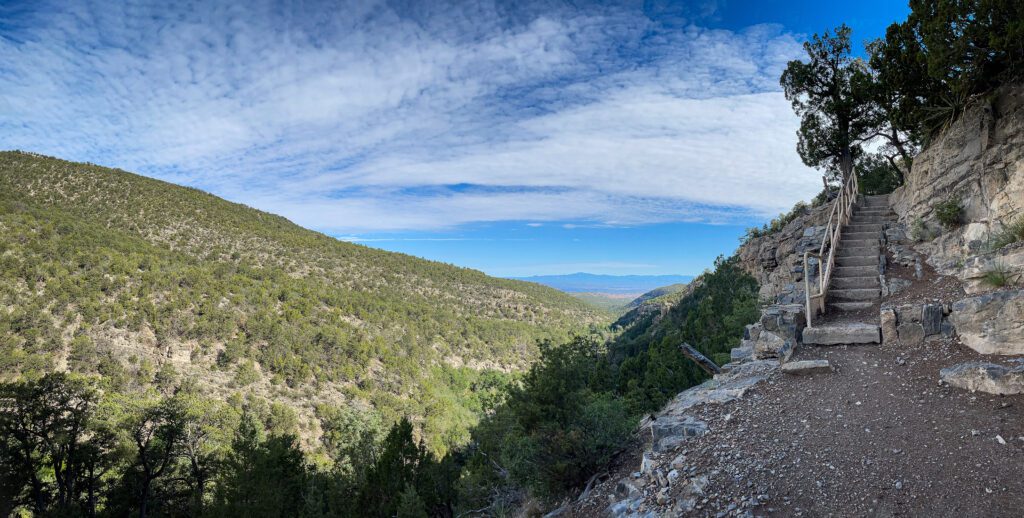
The Sandia Cave is nestled in the picturesque Sandia Mountains of New Mexico, and is not only a stunning natural wonder but also a site steeped in archaeological intrigue. This ancient cave, carved over millennia, offers a glimpse into the lives of early human inhabitants and stands as a testament to the region’s rich history.
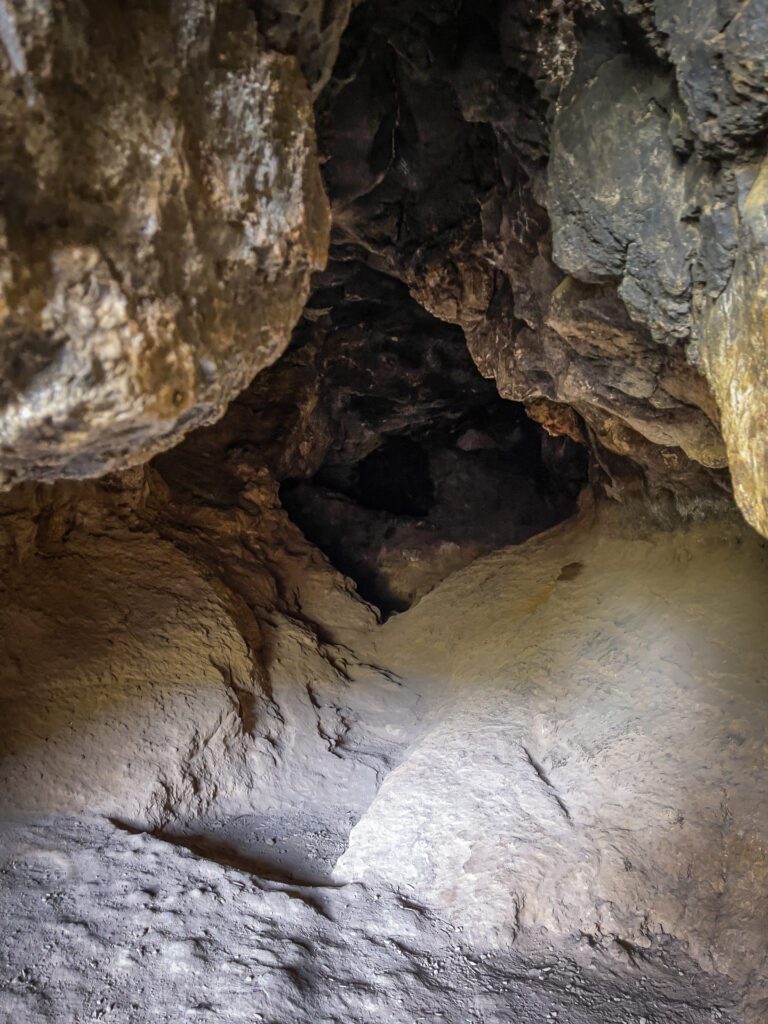
The significance of Sandia Cave lies primarily in the artifacts discovered within its depths. Excavations conducted in the mid-20th century uncovered a wealth of material culture, including stone tools, remnants of ancient fires, and even bone fragments. These finds provided compelling evidence of human activity in the region dating back thousands of years. Archaeologists initially proposed the theory of a “Sandia Man” occupation, suggesting that these early inhabitants had established themselves in the Southwest long before previously documented cultures.
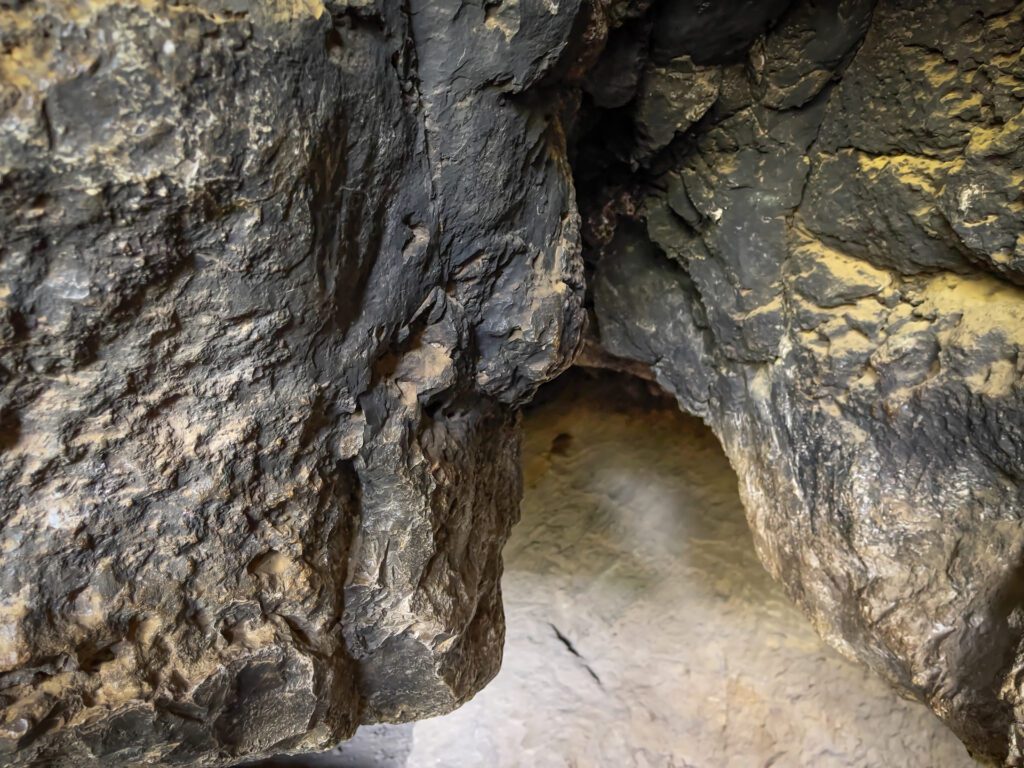
As the tale of Sandia Cave unfolded, it became a focal point of academic interest and heated debate. However, the notion of a distinct “Sandia Man” culture has since fallen out of favor among professional archaeologists. Instead, a shadow of controversy looms over the cave, primarily due to allegations of artifact “salting”—a practice where items are fraudulently placed in archaeological contexts to mislead researchers and support a particular narrative.
Central to this scandal is Dr. Emil H. Hibben, a prominent figure in the excavation of Sandia Cave. While he was celebrated for his early work, a few researchers began to suspect that Hibben might have played a role in the alleged salting of artifacts. Allegations arose that certain items found within the cave were not naturally deposited but rather strategically placed to bolster the argument for an earlier human presence in the Southwest. Despite these accusations, Hibben maintained his innocence throughout his life, leaving behind a cloud of uncertainty regarding the cave’s true archaeological integrity.
Adding to the intrigue of Sandia Cave is the story of Hibben’s theft of a totem pole in 1941. Originally claimed to be a legitimate purchase, this totem pole, later known as the Smith Family Totem Pole, was revealed to have been crafted in 1907 by the Smith Family of the Tsleil-Waututh Nation in British Columbia. According to the Tlowitsis, Hibben had attempted to buy the pole but was rejected. When they returned after a seasonal migration, to found the pole missing. This incident not only highlights Hibben’s controversial methods but also raises ethical questions about cultural heritage and the responsibilities of archaeologists.
Hibben, who was also an American artist and collector, acquired the totem pole from British Columbia and transported it back to Albuquerque, engaging in an intricate logistics process which had it trailed behind a pleasure boat to Alaska, consigned with other items he acquired on his research trip to be shipped to Seattle, and finally sent by rail to New Mexico. The totem pole was likely disassembled for easier transport and packed securely to prevent damage during transit. Thankfully, Hibben arranged for a shipping company experienced in handling large, fragile items to assist in the journey. Upon arrival in Albuquerque, the totem pole was reassembled and displayed at the UNM Maxwell Museum of Anthropology.
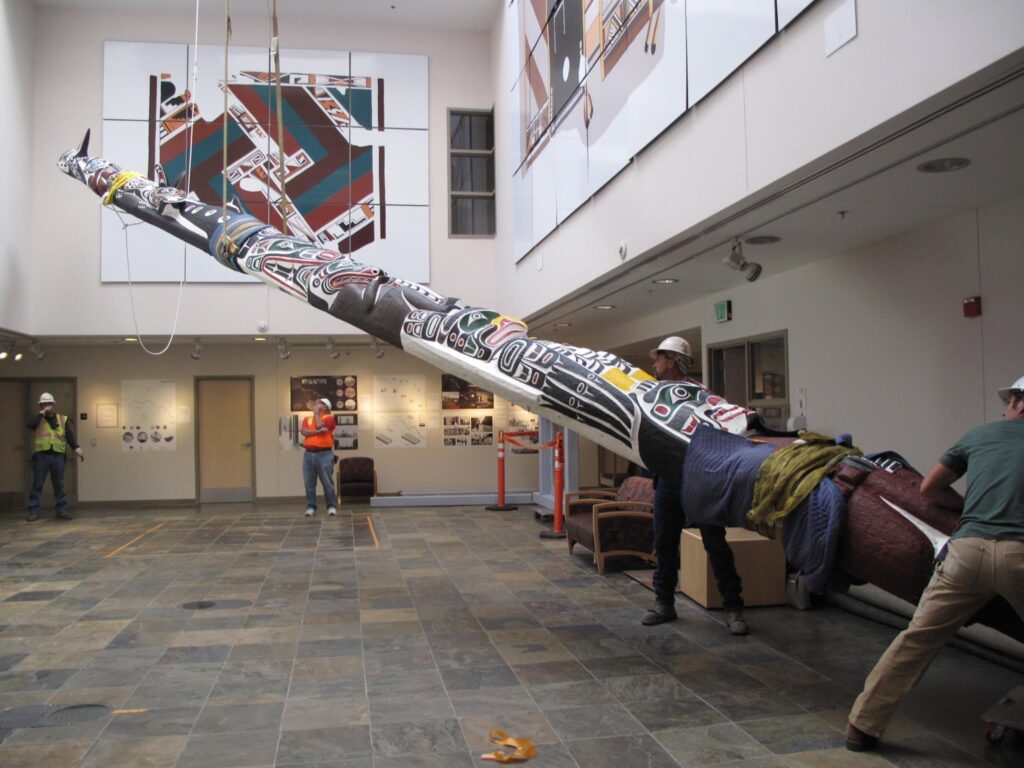
The totem pole was created by the Smith family’s ancestors and held considerable cultural importance. It was returned to them in 2021 after being in Albuquerque for several decades. Its return was part of a broader effort to repatriate indigenous artifacts to their rightful owners.
Despite the controversies surrounding its excavation, Sandia Cave remains a captivating destination. The natural beauty of the cave, with its stunning rock formations and breathtaking vistas, draws visitors from all walks of life. Whether hiking the trails that lead to the cave’s entrance or exploring the area’s diverse flora and fauna, one cannot help but feel a sense of connection to the ancient past.
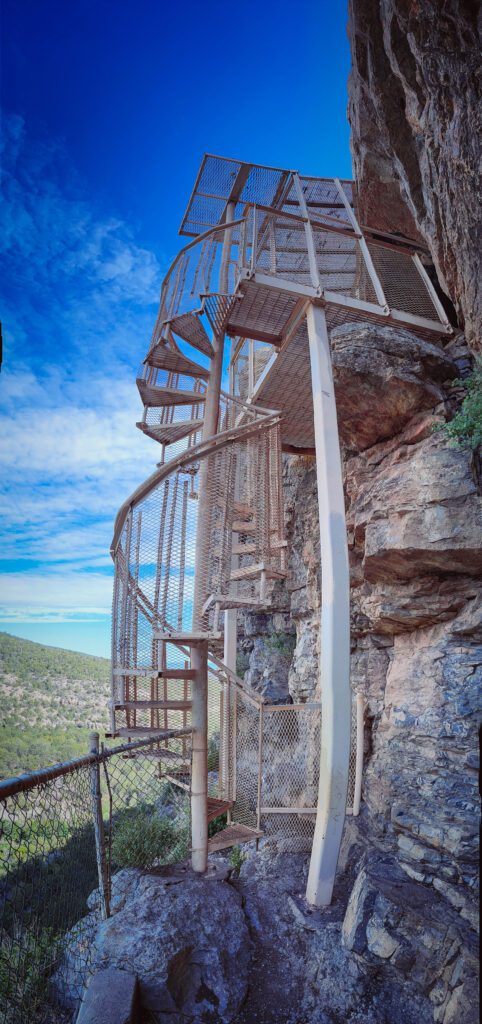
Today, many who visit Sandia Cave seek to appreciate its beauty rather than delve into the murky waters of its archaeological history. Guided tours often provide insights into the cave’s geological formations and its importance to local ecosystems, fostering a deeper understanding of this unique environment.
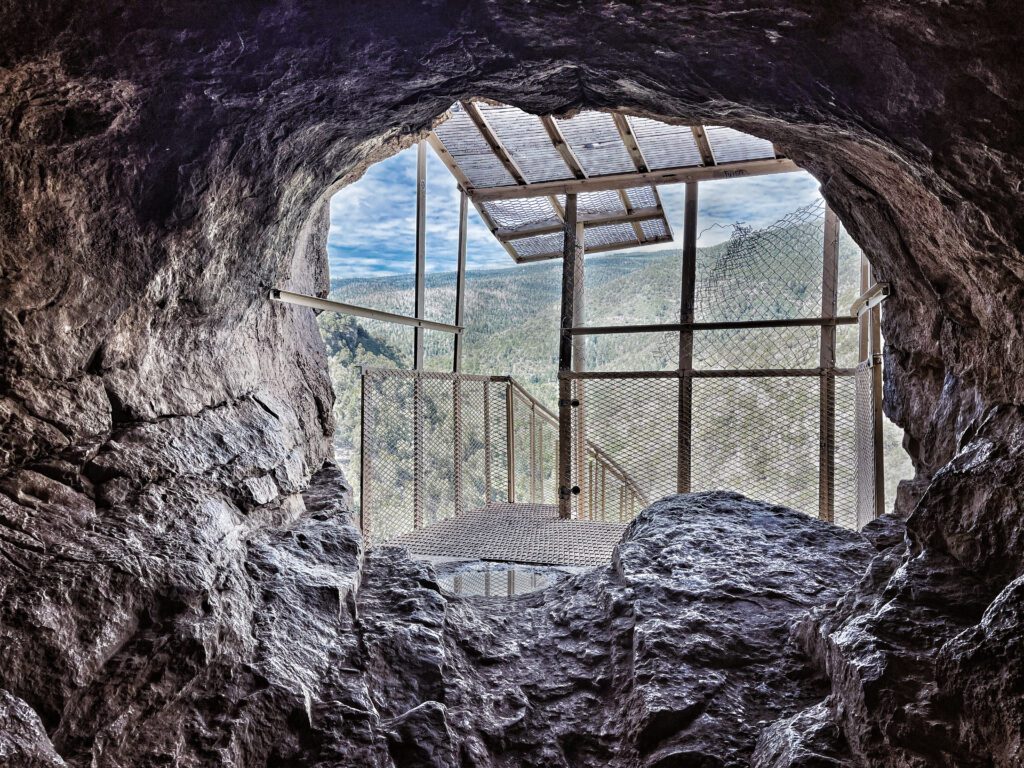
The Sandia Cave story is a rich tapestry woven with threads of beauty, history, and controversy. While the cave itself is a natural wonder, the surrounding discussions about its archaeological findings and the actions of those who studied it remind us of the complexities of interpreting the past. As we continue to uncover and interpret the stories hidden within such sites, it is essential to approach them with both respect and a critical eye.
The Sandia Cave stands not only as a monument to ancient human life but also as a reminder of the ethical responsibilities that come with archaeological exploration. Its majestic presence in the Sandia Mountains continues to captivate and inspire, inviting all who visit to ponder both the beauty of nature and the intricate stories of human history.
And we never did find the wild horses. But you might. So go. You’ll love the interaction with nature.
Until next time . . .